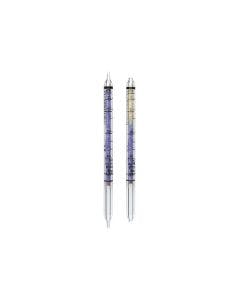


Hydrogen Fluoride (HF) is a fluorine-based chemical compound, a colourless gas, a fuming liquid, and a soluble solid in water. Its compound state depends on the temperature and pressure it is in. In gas form, it is invisible but very toxic even in low concentrations, making it a serious poison risk. Hydrogen fluoride gas can irritate the eyes, nose, and lungs even at low concentrations. Hydrogen fluoride can be fatal when inhaled at high concentrations, and combined with skin contact, can result in arrhythmia and pulmonary oedema. When mixed with water, HF forms hydrofluoric acid, one of the most dangerous acids used in industry, capable of penetrating tissue and affecting internal organs, including the heart.
The French chemist Edmond Frémy discovered hydrogen fluoride in the middle of the nineteenth century, while HF solutions had been known and used for at least a century before that. Fluorite (calcium fluoride) is mined and processed to produce Hydrogen Fluoride gas using sulfuric acid. The mineral apatite, which includes fluoride ions and phosphate, is a significant source of HF and is a byproduct of phosphate fertiliser production.
- Hydrofluoric acid is the name of hydrogen fluoride that is dissolved in water.
- Despite being the least dense of the hydrogen halides, it has the highest boiling point of the group.
- Hydrogen fluoride is used in the production of refrigerants, herbicides, medicines, high-octane gasoline, aluminium, plastics, electrical components, and fluorescent light bulbs.
- Sixty per cent of all industrial hydrogen fluoride consumption goes toward the production of refrigerants.
- Hydrogen Fluoride has a boiling point of 19.5 °C and a melting point of -83.37 °C.
Fun Fact – Hydrofluoric acid (HF in water) was featured in the TV series Breaking Bad for its glass-dissolving properties.
Industrial Applications of Hydrogen Fluoride
Hydrogen fluoride is a critical feedstock in various industries due to its fluorinating and etching abilities:
Refrigerant Production - Over 60% of all HF is used in manufacturing fluorocarbon refrigerants, including HFCs and HFOs
Petrochemical Industry - Used to produce high-octane gasoline via alkylation processes
Metal & Plastic Manufacturing - Etches glass, cleans metals, and treats aluminum and plastic surfaces
Pharmaceuticals - Used in fluorination of active pharmaceutical ingredients (APIs)
Electronics & Fluorescent Lighting - Used in semiconductor fabrication and the production of fluorescent bulbs
Hazards of Hydrogen Fluoride Gas Exposure
Even brief exposure to HF gas can result in:
- Eye, nose, and throat irritation
- Severe respiratory distress
- Skin burns and deep tissue damage
- Hypocalcemia and cardiac arrest
- Delayed symptoms, making early detection critical
Hydrogen fluoride detection systems are vital in chemical plants, metal works, refineries, and pharma labs to monitor leaks and prevent fatal incidents.
FAQs About Hydrogen Fluoride (HF)
What is hydrogen fluoride used for?
Hydrogen fluoride is used in the production of refrigerants, pharmaceuticals, fluoropolymers, and high-octane fuels.
How dangerous is hydrogen fluoride?
HF is extremely toxic and corrosive, causing severe internal and external injuries. Exposure must be treated as a medical emergency.
What is hydrofluoric acid?
It’s the aqueous hydrogen fluoride formed when HF dissolves in water. It’s widely used for etching glass and cleaning metals.
How is hydrogen fluoride detected?
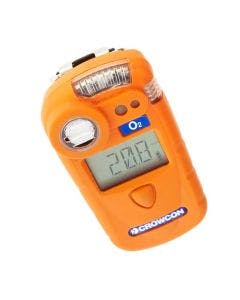
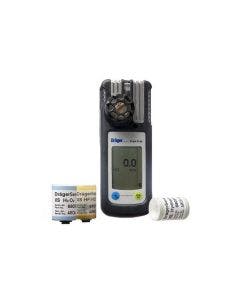
With hydrogen fluoride gas detectors or fixed HF monitoring systems, especially in industrial processing and storage areas.