

Carbon dioxide (CO2) is a colourless, odourless, non-flammable gas produced by combustion, fermentation and respiration. Although it occurs naturally in the atmosphere at around 420 parts per million (ppm), it becomes hazardous to health at elevated concentrations. Because it cannot be seen or smelled, dangerous levels can build up without warning. CO2 is also around 1.5 times heavier than air, so it collects at low levels in cellars, pits, tanks and other confined or poorly ventilated spaces.
Carbon dioxide was identified as a distinct gas by the Flemish scientist Jan Baptista van Helmont in the early 17th century, after observing it as a product of both fermentation and combustion. In its solid form it is known as dry ice, which sublimes directly to gas at -78.5 °C. CO2 is widely used across industry: as a refrigerant, in fire suppression systems, to carbonate drinks, in modified atmosphere food packaging, as a welding shield gas, and to promote plant growth in commercial greenhouses. It is important to note that CO2 is toxic in its own right at high concentrations, not simply an asphyxiant that displaces oxygen, which is why it has its own workplace exposure limits.
Gas Fact - Carbon dioxide makes up around 95% of the atmosphere of Mars, yet only about 0.04% of Earth's. On Earth, it is the small changes in that tiny fraction that matter, both to the climate and to anyone working near a CO2 source.


Carbon dioxide affects the body progressively as concentrations rise. The table below shows typical effects at each level, alongside the UK workplace exposure limits set out in HSE document EH40/2005.
| CO2 concentration | What it means |
|---|---|
| 400-420 ppm | Normal outdoor air |
| 400-1,000 ppm | Typical range in occupied indoor spaces |
| 1,000-2,000 ppm | Poor ventilation. Complaints of stuffiness, drowsiness and reduced concentration |
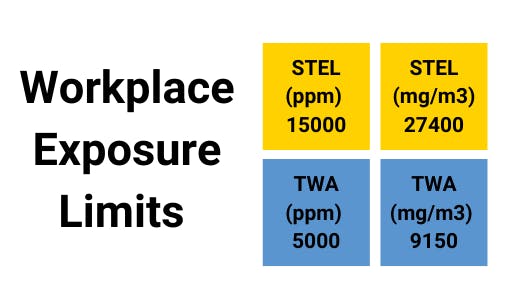
| 5,000 ppm | UK Workplace Exposure Limit (8-hour TWA). The maximum average exposure over a full working day |
| 15,000 ppm | UK Workplace Exposure Limit (15-minute STEL). The maximum short-term exposure |
| 30,000 ppm (3%) | Breathing rate increases noticeably. Headache, dizziness and raised heart rate |
| 40,000 ppm (4%) | Immediately dangerous to life or health |
| 80,000-100,000 ppm (8-10%) | Loss of consciousness within minutes. Can be fatal |
What TWA and STEL mean: the TWA (time-weighted average) is the maximum average concentration a worker can be exposed to over an 8-hour shift. The STEL (short-term exposure limit) is the maximum concentration permitted over any 15-minute period. Gas detectors for occupational use alarm against both values.
Where does CO2 exposure happen?
Most serious CO2 incidents happen where the gas is generated, stored or used in enclosed spaces:
- Breweries, distilleries and wineries, where fermentation produces large volumes of CO2
- Pub and restaurant cellars, from drinks dispense systems and cylinder leaks
- Food and beverage production, including carbonation and modified atmosphere packaging
- Dry ice storage, transport and handling
- Confined spaces such as tanks, silos, sewers, wells and pits
- Biogas plants and anaerobic digestion facilities
- Areas protected by CO2 fire suppression systems
- Laboratories, incubator rooms and horticultural growing environments
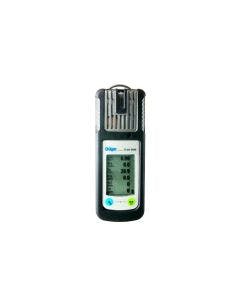
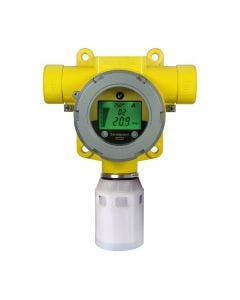
Because CO2 sinks, a space can appear safe at head height while a hazardous layer sits at floor level. This is why fixed detection at low level, and personal monitors worn on entry, are standard practice in these environments.
Symptoms of CO2 overexposure
Early symptoms of elevated CO2 include headache, drowsiness, dizziness, restlessness and a feeling of breathlessness or air hunger. As concentrations rise, symptoms progress to sweating, rapid heart rate, tingling, confusion and impaired judgement, which is particularly dangerous because it reduces a worker's ability to recognise the hazard and leave the area. At very high concentrations, CO2 causes loss of consciousness within minutes and can be fatal. Anyone experiencing symptoms in an area with a potential CO2 source should leave immediately and ventilate the space before re-entry.
How is CO2 detected?
Carbon dioxide is measured using infrared (NDIR) sensors, which are immune to poisoning and perform reliably in the low-oxygen environments where CO2 hazards typically occur.
Applications used in
- Chemical production
- Refrigeration and cold chain
- Food and beverage (carbonation, packaging, dry ice)
- Brewing, distilling and winemaking
- Fire suppression
- Agriculture and greenhouse enrichment
- Welding and metal fabrication
- Water treatment
- Medical and laboratory use
- Enhanced oil recovery and carbon capture
FAQ'S
Is carbon dioxide dangerous? Yes. At elevated concentrations CO2 is toxic in its own right as well as an asphyxiant. Because it is colourless and odourless, hazardous levels cannot be detected by human senses, which is why gas detection is required wherever CO2 is generated, stored or used in enclosed spaces.
What level of CO2 is dangerous? The UK workplace exposure limit is 5,000 ppm averaged over 8 hours, with a short-term limit of 15,000 ppm over 15 minutes. Concentrations of 40,000 ppm (4%) are considered immediately dangerous to life or health, and levels above 8% can cause loss of consciousness within minutes.
Is CO2 heavier than air? Yes, carbon dioxide is roughly 1.5 times denser than air, so it sinks and accumulates at low level. This is why cellars, pits and confined spaces are high-risk areas, and why fixed CO2 detectors are typically mounted near floor level.
Will a carbon monoxide alarm detect CO2? No. Carbon monoxide (CO) and carbon dioxide (CO2) are different gases requiring different sensor technologies. A CO alarm provides no protection against CO2. Dedicated CO2 detectors use infrared sensors.
What is carbon dioxide used for? CO2 is used to carbonate drinks, preserve packaged food, suppress fires, shield welds, promote plant growth in greenhouses, and as a refrigerant, among many other industrial applications.