Methane - Gas Profile



Methane as gas is colourless and odourless. However, it is highly flammable. The compound is made of carbon-hydrogen. Methane is slightly soluble in water and burns readily in the air to form carbon dioxide and water vapour. One of methane's most significant risks is its flammability, as it can cause deadly explosions resulting in disasters in confined spaces like mines.
Methane (CH4) is commonly known to be a greenhouse gas that has a negative impact on the environment, contributing to the rising temperature of the earth. Methane, alongside ethane and pentane, is a hydrocarbon and is the second most abundant anthropogenic (human-caused) gas – carbon dioxide being the most. Methane is the primary component of natural gas and biogas. Natural gas is made of hydrocarbons – methane, butane, ethane, propane. Industries such as construction are often at high risk of exposure to natural gases as they exist in various layers within the ground. Therefore, when construction sites are being dug up, workers need to be careful of the risk of these gases.
Methane is used heavily in domestic environments and is the most popular gas provided to society for central gas, heating and cooking in their homes. Methane exists from;
- Human related activities – raising livestock, gas leaks, landfill sites, waste, coal mining
- Natural gas, which is used to power homes and businesses
Fun Fact – Around 14.5% of global greenhouse gas comes from life stock fluctuance and manure

- Methane is a source of hydrogen, methanol, chloroform and other chemicals.
- When it reacts with steam at a high temperature, methane can yield carbon monoxide and hydrogen. This is used later to manufacture ammonia for fertiliser and explosives.
- Methane has a 12-year atmospheric lifetime.
- Methane's melting point is 183 Celcius, and the boiling point is -164 Celcius.
- Humans can get frostbite from methane if they come into contact with it in liquid form, released under pressure.
Applications used in
- Laboratories
- Food Production (fuels food processors)
- Aviation (used as rocket fuel)
- Livestock farming
- Waste management
- Construction
-
-

-
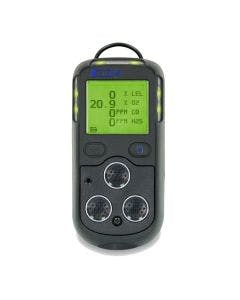 GMI PS200 Multi Gas Detector (LEL/O2/CO/H2S) - Pumped and Diffusion
From £340.07 £283.39
To £1,099.20 £916.00